


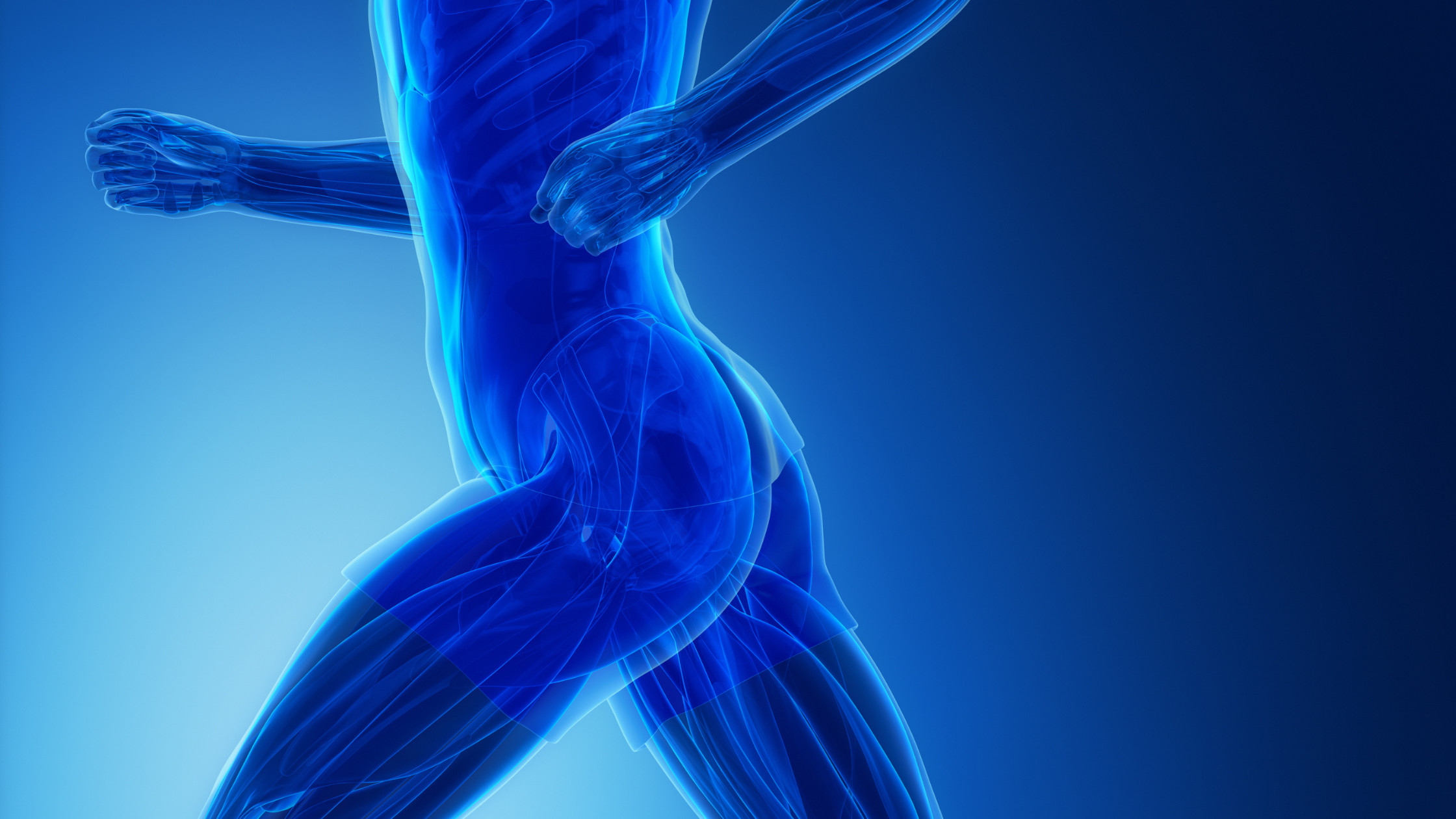
In the realm of musculoskeletal health and therapy, there’s a hidden hero lurking beneath the surface: fascia. Often overlooked, this intricate network of connective tissue plays a pivotal role in our body’s function and movement. In the world of Finch Therapy, understanding the role of fascia is paramount to unlocking the full potential of this innovative approach to healing.
Fascia is like the silent conductor of our body’s orchestra, facilitating smooth movement, providing support, and maintaining structural integrity. Imagine it as a vast web that envelops and interconnects every muscle, organ, and bone, creating a seamless network that allows us to move with grace and ease.
So, what exactly is fascia, and how does it relate to Finch Therapy? Fascia is a complex matrix of collagen fibres, elastin, and other proteins that form a continuous sheath throughout the body. It not only surrounds individual muscle cells and the muscle as a whole but also binds them together into functional units known as myofascial chains. In Finch Therapy, practitioners work with fascia to release tension, improve mobility, and restore balance to these myofascial chains.
But fascia is more than just a passive structural element; it’s a dynamic and responsive tissue that can adapt and change in response to various stimuli. When fascia becomes tight, restricted, or inflamed, it can lead to a host of musculoskeletal issues, including pain, stiffness, and reduced range of motion. This is where Finch Therapy shines, as practitioners use gentle, hands-on techniques to release tension and restore optimal function to the fascial system.
To truly grasp the importance of fascia in Finch Therapy, we invite you to take a stroll under the skin and explore its intricate landscape. In this enlightening YouTube video, you’ll gain a deeper understanding of fascia’s role in our body and how Finch Therapy harnesses its power to promote healing and well-being.
The entire YouTube video spans 30 minutes and offers a captivating exploration into the world of fascia. While it’s rich in scientific and medical terms, providing a deep dive into the subject matter, we understand that not everyone may have the time or inclination for the full duration. For those seeking a glimpse into how fascia moves, we recommend starting at the 23rd minute to get a concise overview while still capturing the essence of the discussion.






Leave A Comment