


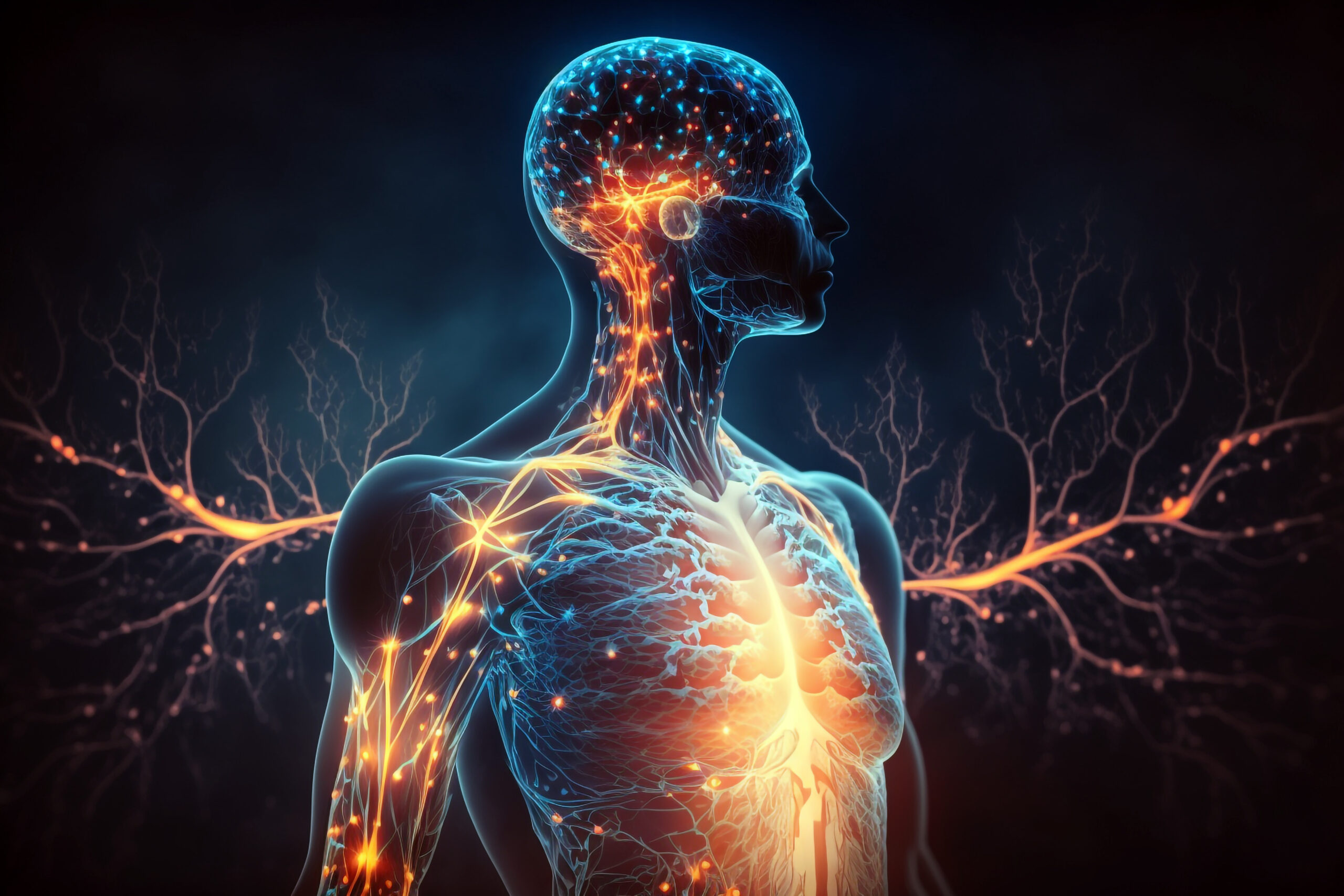
The human body is an intricate web of systems, tissues, and cells, all working in tandem to ensure optimal function. Among these, the fascia remains one of the most prevalent yet often overlooked tissues. As research delves deeper into the world of fascia, one therapeutic approach is increasingly gaining attention for its benefits on this connective tissue – Finch Therapy.
Enveloping our muscles, nerves, and organs, fascia was once discarded during medical training. However, as Professor Carla Stecco of the University of Padova asserts, ignoring fascia in body examination is akin to overlooking the liver. It’s that significant.
Recent research suggests that fascia isn’t merely a passive structure. It has diverse roles, with not one, but four different types. From possessing a nervous system in some types to housing immune cells in others, fascia’s functions are multifaceted. Around 30% of the force behind our movements emanates from the fascia, playing an essential role in pain perception and spatial awareness.
With its intricate importance, Alison Slater, a Sydney-based physiotherapist specialising in fascia, articulates its omnipresence. In her words, “While muscles might be the brawn, fascia is the brain.”
Given the central role fascia plays in movement and overall bodily function, any anomalies or damage to this tissue can significantly affect mobility. That’s where Finch Therapy comes into the picture.
Finch Therapy and Fascia Health
Finch Therapy, a non-invasive therapeutic approach, has shown promising results in addressing issues related to the fascia. Employing targeted techniques to restore muscles to their correct length and tone to realign the body, promoting optimal fascia function. Patients undergoing Finch Therapy often report improved mobility, reduced pain, and a better sense of bodily balance.
Furthermore, with the potential link between fascia and conditions like fibromyalgia, irritable bowel syndrome, and endometriosis, therapies like Finch may be considered a possible tool in holistic health management.
Taking care of the fascia extends beyond conventional methods. Regular stretching, hydration, and an anti-inflammatory diet also play crucial roles. Moreover, with the advent of Finch Therapy, individuals now have a more targeted approach to help maintain fascial health, ensuring smoother movements and overall well-being.
In conclusion, the intricate balance between our body’s systems calls for comprehensive care. As Professor Stecco rightly states, “For the fascia to maintain our body’s health, we need to maintain the health of the fascia.” With therapeutic approaches like Finch, we’re one step closer to achieving that harmonious balance for a healthier body and mind.






Leave A Comment